← All services Draft
Corporate Design
Brand identity that holds up. Logo, colour system, typography, design language. Built with regard for everyday usability over years, not just for the launch photo shoot.
A corporate design decides how your brand reads before someone has talked to you. It also decides how quickly your team puts together a coherent slide deck on a Monday morning — and whether your next job posting looks “polished” or “improvised.”
We build brands that don’t just look good on launch day but hold up over years. That means: systems, not logos. Rules a junior designer can apply. Toolkits that work in code, in print, and in slides.
How we work
Corporate-design projects start with a concept phase. In 2–3 days, we sort brand position, tone of voice, and visual direction. The output is a design direction: mood boards, first typography choice, first colour direction, first logo sketches.
In the main project we sharpen the system. 3 logo directions, 1 picked, then finalised. Colour system (values with application rules, not just hex codes). Typography setting (typeface choice + hierarchical rules). Application examples (letterhead, website, social templates, slide deck). Brand book as a living document.
Where we’re different
- We build the system we design. A brand manual is only as good as its implementation. We ship brand + implementation as one piece.
- Design for tools people actually use. Slides, newsletters, contract letters, job listings — not just hero renderings.
- Print stays part of the language. A brand that only lives digitally is half a brand. We do print applications too.
What’s included
- Concept phase (brand position, direction, billed separately)
- Logo system (primary mark, signets, application variants)
- Colour system with application rules (web, print, screen)
- Typography setting (typeface choice, licensing advice, hierarchical system)
- Image language (style direction, photo briefing templates if relevant)
- Application templates (letterhead, email signature, slide deck setup)
- Brand book as a digital document (Notion, Figma, or web)
When this isn’t right
If you only need a logo (no system), specialised logo designers are often a better fit. If you want a new website and the brand already exists, head to Business Website.
How it continues
Brand projects start with the concept phase. To take the temperature first: free intro call.
Past projects
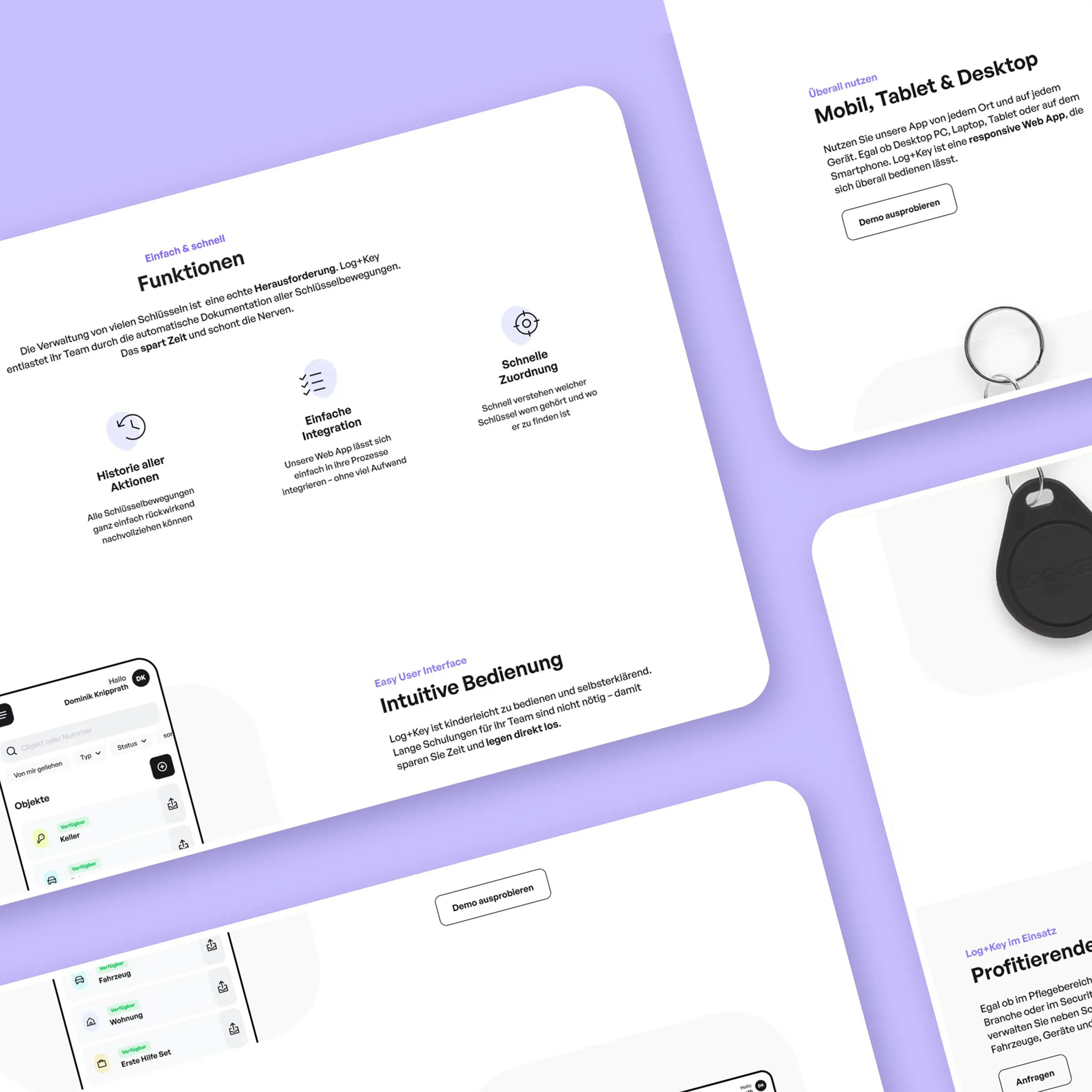
Log+Key Branding
We have developed the Log+Key brand for our digital key management platform.
- Branding
- Sites
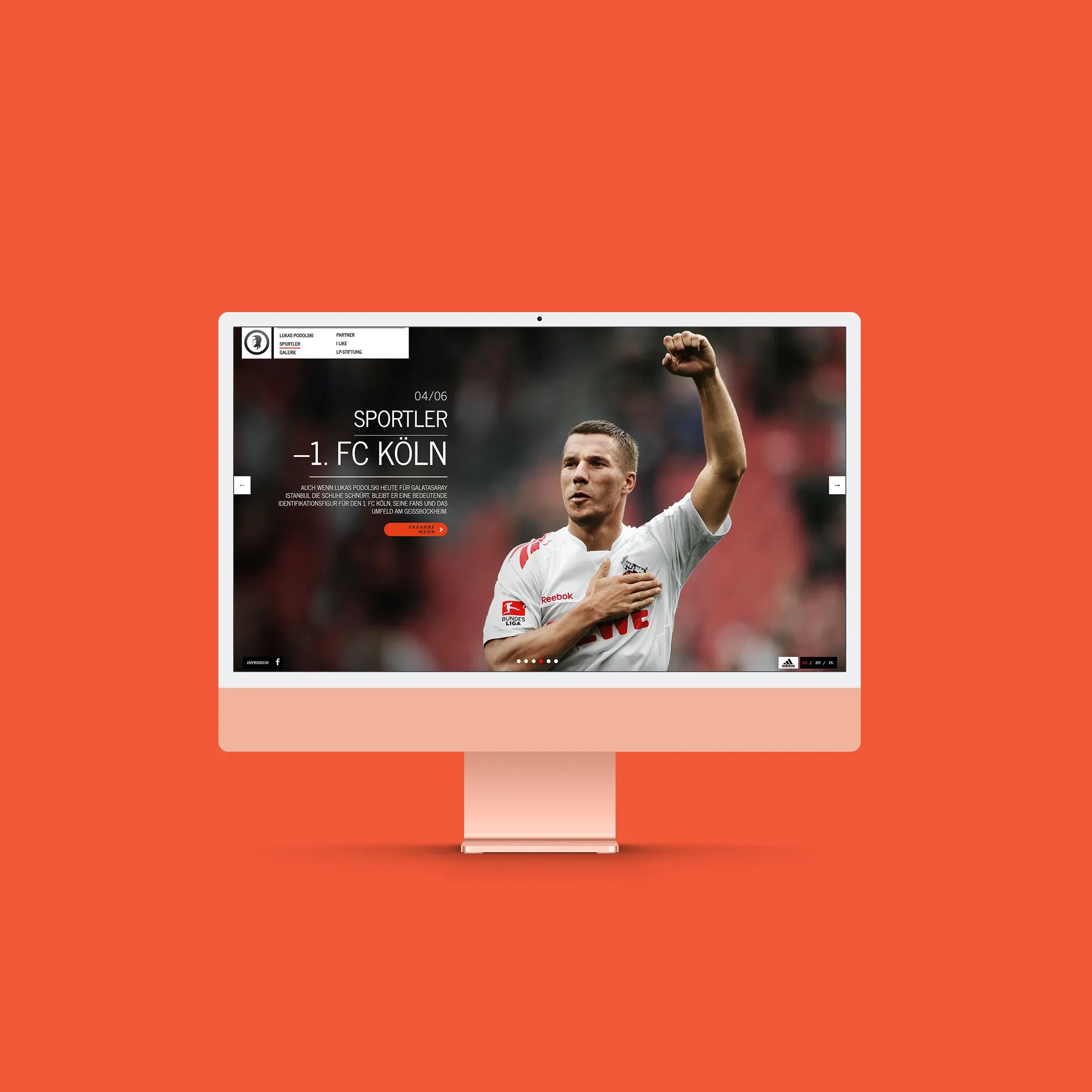
Lukas Podolski
Realization of the website of the former national player and Cologne legend Lukas Podolski for MILK Design.
- Sites
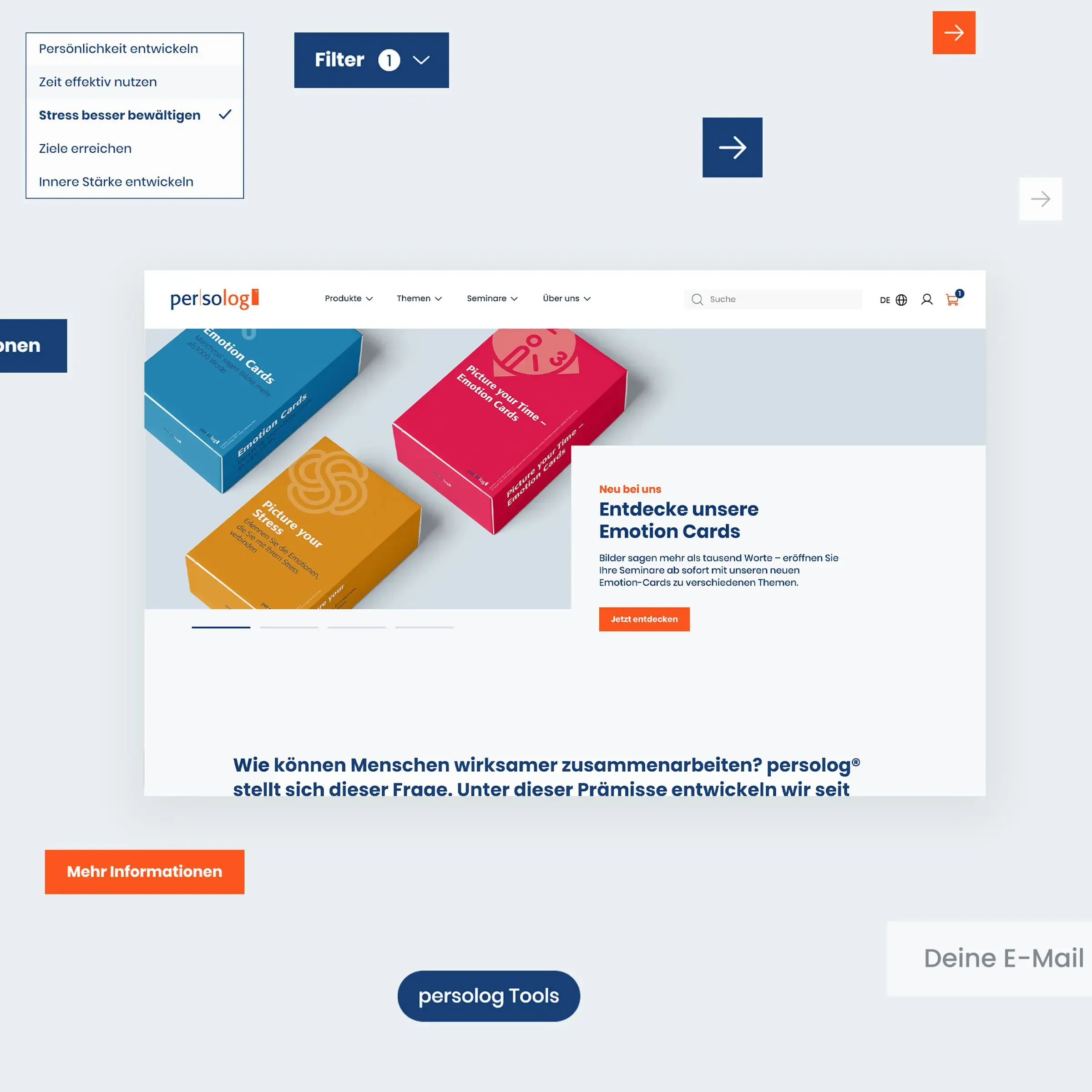
persolog
Soft rebrand, development of the new online store and implementation of a new merchandise management system for persolog's analog and digital products.
- Branding
- Shops
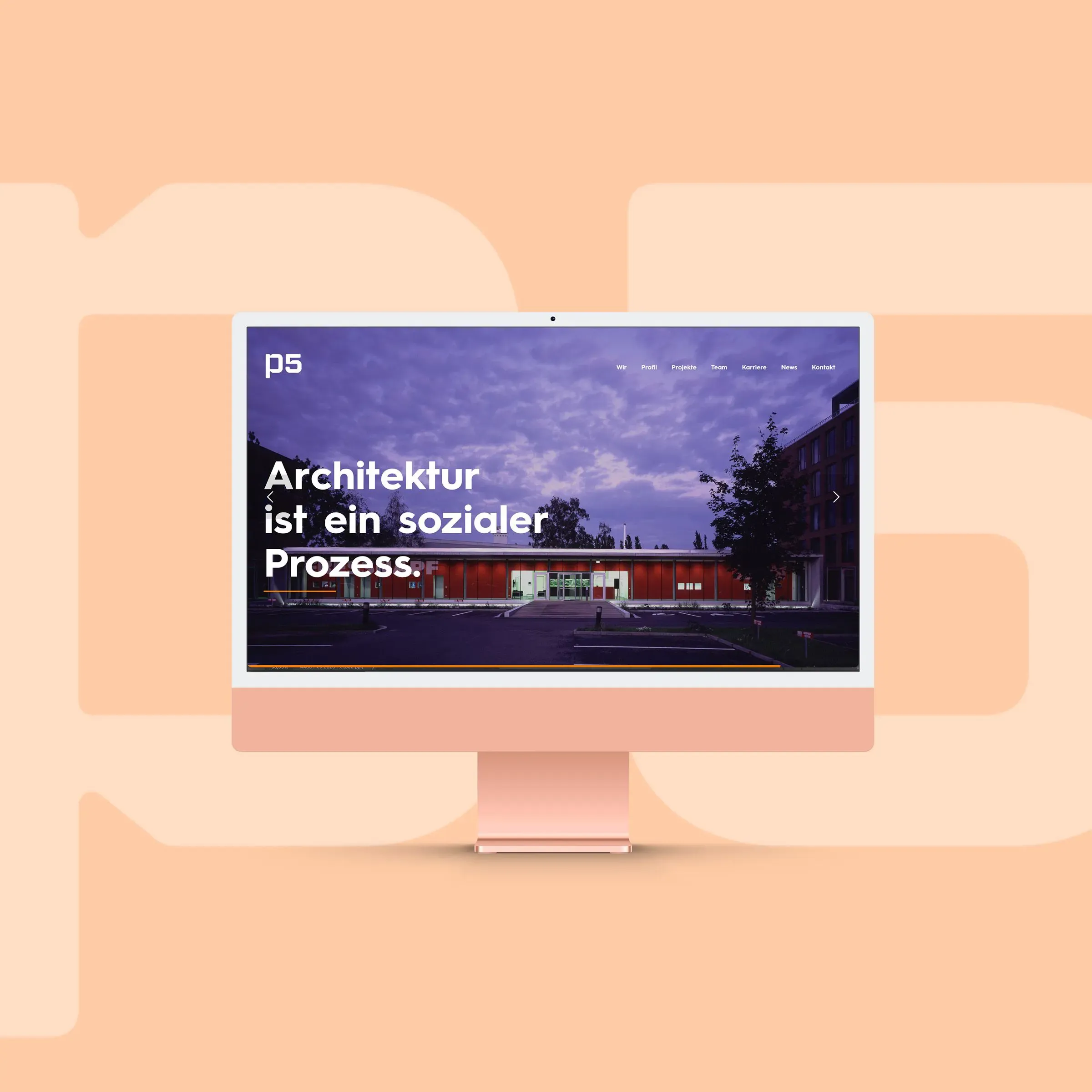
P5 Website
In collaboration with the design agency Piratas, we realized a website based on the CMS Contao for the renowned architecture firm P5.
- Sites
FAQ
- How are you different from a pure design agency?
- We build what we design. A brand system that has to work in code, in print, and in slides — and that we'll implement ourselves.
- How many logo concepts?
- Usually 3 directions, narrowed to 1 for refinement. More options don't make decisions better.
- Do we get a brand book?
- Yes — as a living document, not an 80-page PDF. Typography, colour, image language, application examples, do's and don'ts.
Other services
All services →- Fixed price
Business Website
A marketing site that converts. Clearly scoped, fixed price, fixed delivery time. From intro call to launch in 4–6 weeks.
- Concept phase first
Platform Development
We build platforms organisations can live with for years. SaaS, internal tools, marketplaces, admin systems. Concept phase defines scope, then a fixed price.
- Concept phase first
AI Automation
Automating workflows with AI. Document handling, data extraction, content pipelines, vibe-coding setups for teams. Realistic expectations, measurable outcomes.
- Fixed price
Concept Phase
2–3 days of focused team time. We sharpen scope, write the concept, calculate the main project. You keep everything — even if you build with someone else afterwards.