← All services Draft
Concept Phase
2–3 days of focused team time. We sharpen scope, write the concept, calculate the main project. You keep everything — even if you build with someone else afterwards.
A concept phase is the more honest answer to “Can you put together a free proposal?” Instead of two weeks of surface-level sales theatre, we spend 2–3 focused days on your project and hand you a document you can work with — with or without us.
The concept is yours. We even recommend using it as the basis for comparison across three agencies. If we’re the right partner for the main project, both sides will see that. If not, we haven’t wasted time being polite.
How it runs
Day 1 — Setting. We come on-site (or by video when that makes sense). You tell us what you do, what you need, what you’ve been thinking. We listen and ask. By end of day, the requirement is sharp.
Tag 2 — Concept. We write. Architecture, data model (where relevant), risks, open questions, effort estimates. You go about your day — we surface in the evening with an interim check.
Day 3 — Handover. We walk the concept with you. Gaps get filled, trade-offs explained, main-project pricing calculated. You keep the document.
What you have at the end
- Concept document (15–25 pages, delivered as PDF + editable in Notion/Markdown)
- Architecture sketch (when relevant) — data model, interfaces, components
- Effort estimate with fixed price per phase for the main project
- Risk list — what we don’t know, what could become expensive, what to insure against
- Recommendation for next step — sometimes that’s us, sometimes not
When a concept phase fits
- Platform projects — almost always (requirements are never what they look like)
- Bigger brand/design undertakings — when direction is unclear
- AI / automation projects — they nearly always fail on unclear requirements, not tech
- Strategic decisions — should this be a custom platform at all, or would SaaS do?
When it doesn’t
- Clear marketing sites — the calculator helps more directly
- Pure consulting with no intent to build — we’re not a consulting shop
How to request
If you know roughly what it’s about: the form on the contact page (section “Request concept phase”). If you want to get to know us first: the free intro call. Either way, you hear back within 1–2 working days.
Past projects
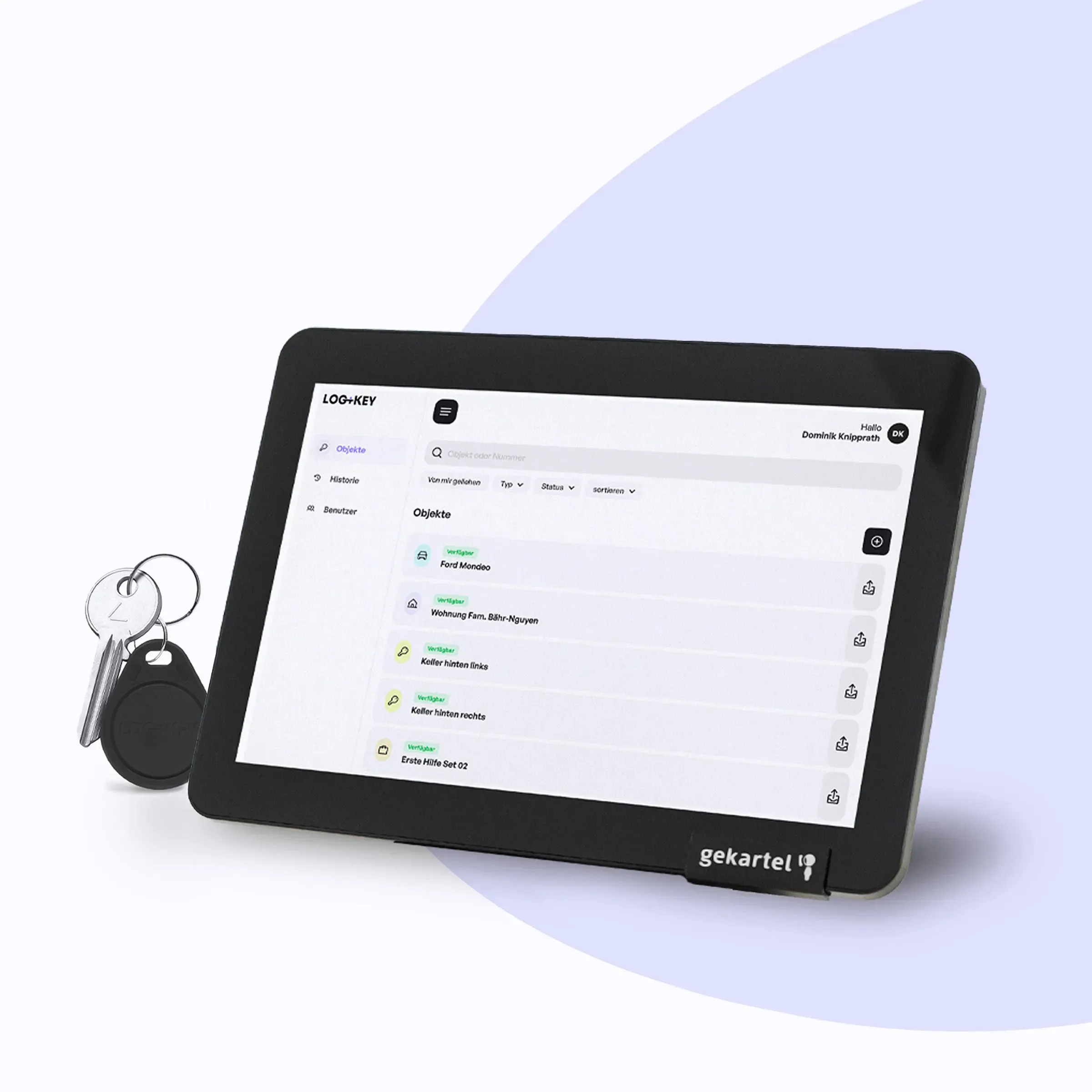
Log+Key
Our Log+Key product is revolutionizing the analogue processes of many industries as a digital key management system.
- Software
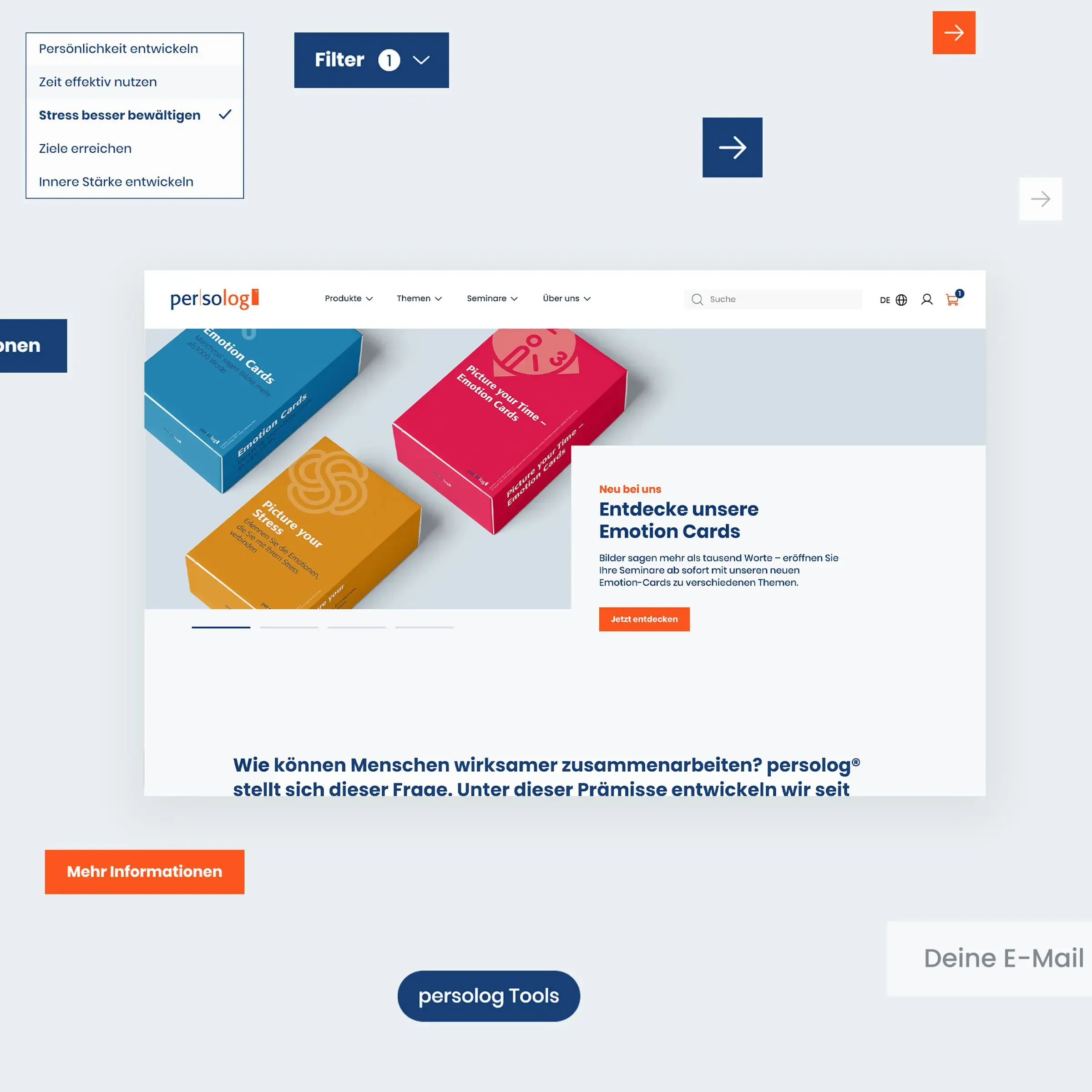
persolog
Soft rebrand, development of the new online store and implementation of a new merchandise management system for persolog's analog and digital products.
- Branding
- Shops
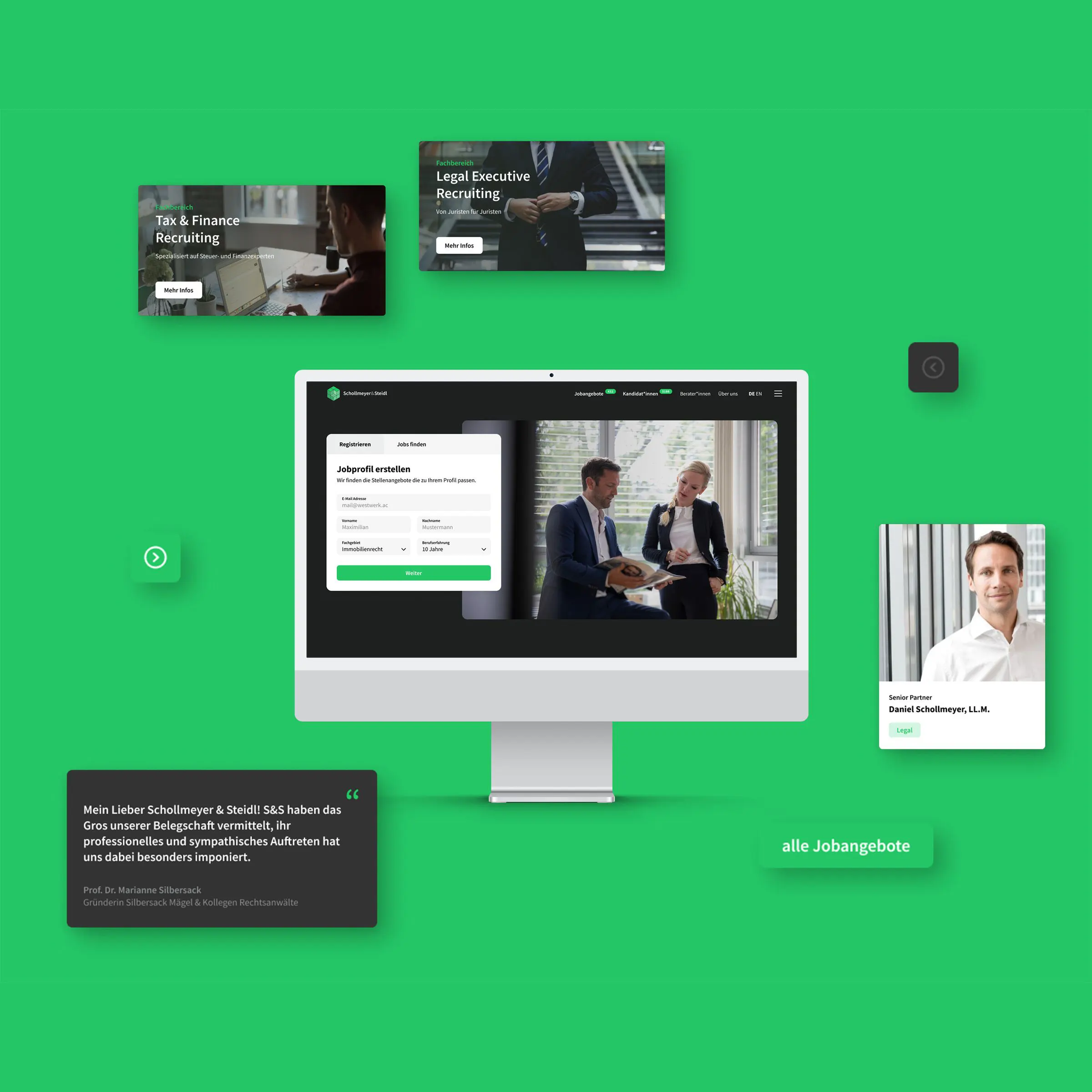
Schollmeyer&Steidl
For Schollmeyer&Steidl, a renowned personnel consultancy, we developed a website with an integrated job portal.
- Sites
FAQ
- Why a paid concept phase instead of a free proposal?
- A good concept is work. Free proposals are surface-level sales decks; a paid concept phase is real substance. Takes 2–3 days, costs €1,800, belongs to you.
- What if we don't build with you afterwards?
- Then you don't. You have the concept document — architecture, effort, risks — and can brief any good agency with it. We'll even recommend partners when the fit's better elsewhere.
- What does the concept phase cost for bigger projects?
- €1,800 is the entry point for one day of intensive setting + 2 days of writing. If the scope is bigger, we quote individually — we say so in the intro call.
Other services
All services →- Fixed price
Business Website
A marketing site that converts. Clearly scoped, fixed price, fixed delivery time. From intro call to launch in 4–6 weeks.
- Concept phase first
Platform Development
We build platforms organisations can live with for years. SaaS, internal tools, marketplaces, admin systems. Concept phase defines scope, then a fixed price.
- Concept phase first
Corporate Design
Brand identity that holds up. Logo, colour system, typography, design language. Built with regard for everyday usability over years, not just for the launch photo shoot.
- Concept phase first
AI Automation
Automating workflows with AI. Document handling, data extraction, content pipelines, vibe-coding setups for teams. Realistic expectations, measurable outcomes.